

Why Are Roof Inspections Important?
Roof inspections help identify damage and wear early, preventing costly repairs and unexpected leaks. Regular checks are especially useful for homes in Owego, NY due to the area’s seasonal weather swings—icy winters, rainy springs, and humid summers can all impact roof longevity. By spotting issues before they escalate, local households can avoid structural problems and maintain energy efficiency.
How Often Should Roofs Be Inspected in Owego, NY?
Most experts suggest inspecting a roof at least twice a year—once following the winter thaw and again after summer storms. Homes surrounded by tall trees may need more frequent checks to clear away branches and debris. Weather events such as hail, windstorms, or heavy snow accumulation warrant an extra look, since Owego’s climate can strain roofing materials.
What Should Homeowners Look for During a Visual Check?
A safe, ground-based inspection is a good place to start. Binoculars or a camera with zoom can help spot common warning signs, such as:
- Shingles that are curling, cracked, or missing
- Dark spots, stains, or moss growth
- Loose or exposed nails
- Sagging roof lines
- Rusty or damaged flashing around chimneys, vents, or skylights
Inside the attic, look for water stains, daylight showing through boards, or damp insulation, which could signal leaks even if the exterior appears intact.
Are There Local Factors That Affect Roof Longevity?
Yes, the local climate and landscape play a major role. Owego’s freeze-thaw cycles can cause shingles to become brittle or create ice dams that push moisture beneath roofing materials. Heavy spring rains can reveal slow leaks that might not show during drier months, while autumn brings falling leaves that clog gutters, causing water to back up against the roof edge. Tree branches that touch the roof can scuff or dislodge shingles in windy weather.
What’s the Difference Between Routine and Emergency Inspections?
Routine inspections follow a regular schedule and help prevent urgent problems. Emergency checks are done after specific events such as a fallen branch, visible leak, or major storm. For routine checks, local residents typically:
- Walk the property perimeter, looking for visual irregularities
- Check that gutters and downspouts are clear
- Use the attic as an early warning system for moisture or structural changes
Emergency inspections focus on quickly identifying obvious damage so it can be temporarily contained, especially if rain is expected.
What Safety Considerations Should Homeowners Keep in Mind?
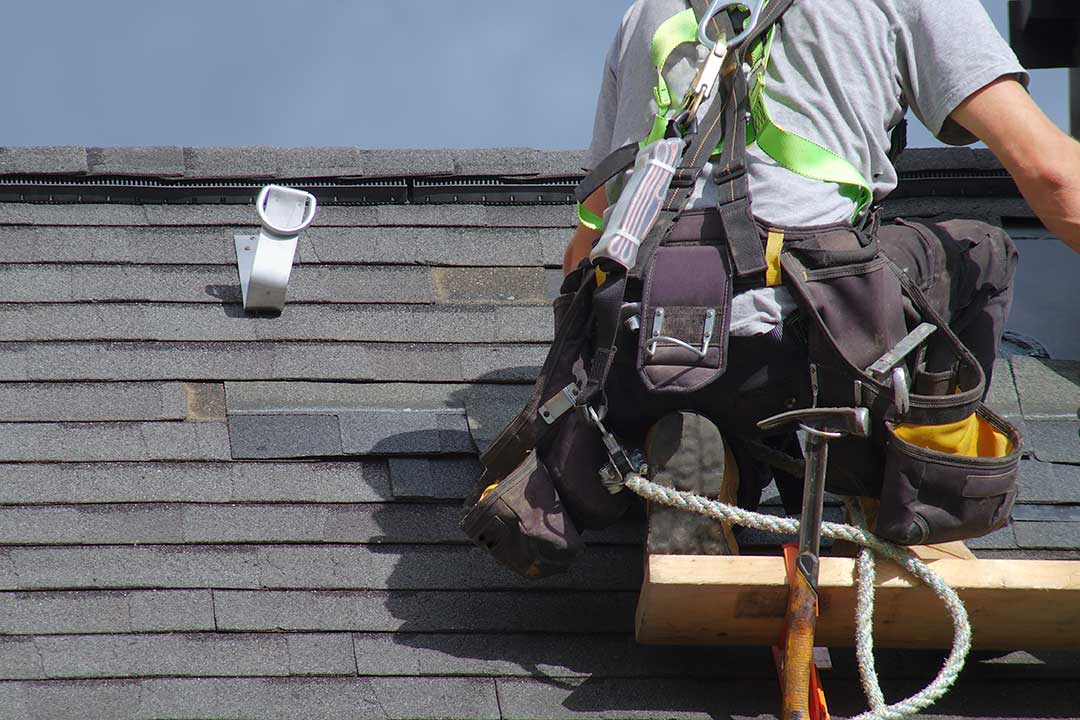
Climbing onto a roof carries real risks, especially with steep pitches or slippery surfaces. Use visual checks from the ground unless experienced and equipped for safe roof access. If a close inspection is needed due to suspected structural damage, mold, or extensive leaks, it’s safest to remain on the ground and avoid entering the attic if ceilings look saggy or moist. For hazards such as suspected asbestos shingles or significant mold, consult state or local building authorities for guidance.
What are Common Misconceptions About Roof Inspections?
Many residents assume leaks will always be obvious, but small drips can cause hidden damage months before water appears inside the home. Another misconception is that new roofs are maintenance-free; even recently installed roofs can develop early problems from wind, hail, or improper ventilation. Finally, some believe moss and lichen are merely cosmetic—actually, they can trap moisture and worsen deterioration in the local climate’s frequent thaw and rain cycles.
What Steps Can Homeowners Take After an Inspection?
After a roof inspection, make note of any concerns. Minor issues, such as a few missing shingles or small sections of moss, can often be monitored until a suitable repair window appears—usually dry, mild weather. Keeping gutters clear and trimming overhanging tree branches each fall helps prevent water retention along roof edges. For significant issues like sagging, widespread water intrusion, or extensive mold, residents should reference local building codes or seek input from municipal housing offices to understand safe next steps.
