
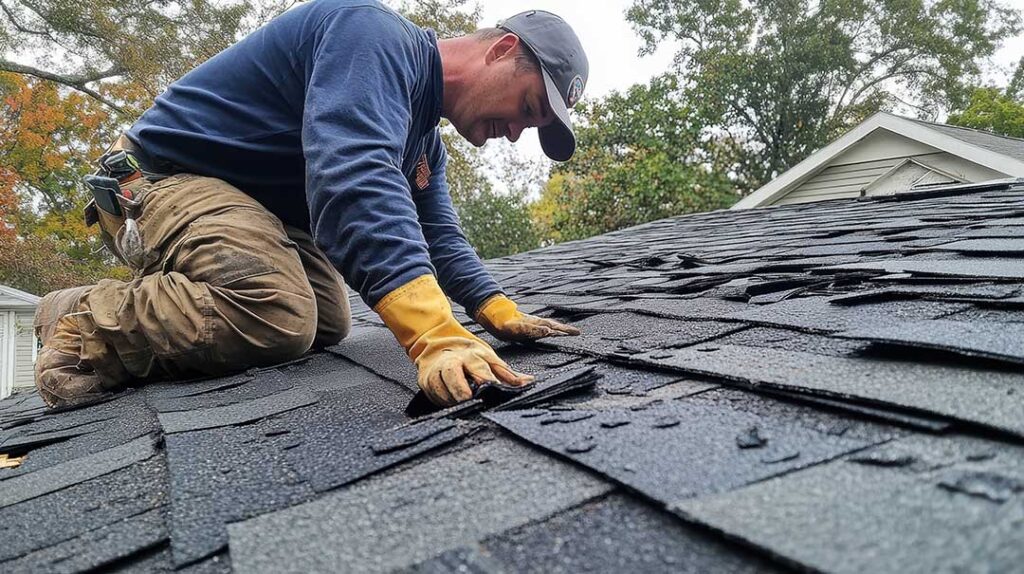
Proper roof ventilation is easy to overlook because most of the system is hidden in the attic. Yet the movement of air beneath the roof covering affects moisture levels, winter ice buildup, summer heat, insulation performance, and the service life of roofing materials.
For households in Owego, NY, ventilation deserves attention because the roof must handle warm, humid summers as well as cold winters with snow, freezing temperatures, and repeated freeze-thaw cycles. A roof does not need to be old to develop ventilation-related problems. Poor airflow can affect newer roofs as well as older homes.
What does roof ventilation do?
Roof ventilation allows fresh air to enter the attic through lower openings and warm, moist air to leave through higher openings. This creates a continuous airflow path beneath the roof deck.
A properly designed system usually includes:
- Intake ventilation near the eaves or soffits
- Exhaust ventilation near the ridge or upper roof area
- Clear air channels between insulation and the underside of the roof deck
- Adequate insulation and air sealing between the living space and attic
Ventilation is not meant to make the attic the same temperature as the living area. Its purpose is to reduce trapped heat and moisture while helping the roof assembly remain more stable.
Why is ventilation important during winter?
Winter ventilation helps control moisture that rises into the attic from the heated living space. Warm indoor air can carry water vapor from cooking, bathing, drying clothes, and normal household activity. If that moisture reaches a cold roof deck, it may condense into water or frost.
Over time, condensation can contribute to:
- Damp or stained roof sheathing
- Mold or mildew growth
- Rusted fasteners and metal components
- Compressed or less effective insulation
- Peeling paint or damaged ceiling materials
- Wood deterioration around roof penetrations
Ventilation alone cannot correct major air leaks from the house into the attic. Recessed lights, plumbing openings, attic hatches, ductwork, and gaps around wiring should also be properly sealed where appropriate.
During snowy weather, uneven attic temperatures can create another concern: ice dams. Heat escaping from the living space may warm portions of the roof while the eaves remain below freezing. Snow melts on the warmer section, flows downward, and refreezes near the colder edge. A well-insulated and properly ventilated roof may reduce this temperature difference, although ventilation is only one part of ice-dam prevention.
How does ventilation help in summer?
Summer sun can raise roof temperatures significantly, especially beneath dark roofing materials. Without sufficient airflow, heat can remain trapped in the attic and transfer into the rooms below.
Good ventilation may help:
- Reduce attic heat buildup
- Lower stress on roofing materials and underlayment
- Keep insulation from being exposed to excessive heat
- Improve comfort on upper floors
- Reduce the workload on air-conditioning equipment
Ventilation does not eliminate the need for adequate insulation. Insulation slows heat transfer, while ventilation helps remove heat and moisture that reach the attic space. The two systems work together rather than serving the same purpose.
What is the difference between intake and exhaust ventilation?
Intake ventilation brings outdoor air into the attic, usually through openings at the soffits or lower roof edges. Exhaust ventilation allows attic air to escape through higher openings.
Both parts are necessary. An exhaust opening without enough intake air may draw air from unintended locations, such as gaps around ceiling fixtures or attic access doors. That can pull moisture-laden household air into the attic instead of bringing in controlled outdoor air.
Likewise, soffit vents may not work effectively if insulation blocks the passages above them. Baffles or air chutes can help keep these channels open, but they must be installed carefully so they do not create gaps or disturb insulation coverage.
Are more vents always better?
No. Adding vents without considering the entire roof assembly can create an unbalanced system.
A roof with too much exhaust ventilation and too little intake ventilation may not receive enough replacement air. Installing several different exhaust vent types on the same roof can also cause airflow to short-circuit, meaning air exits through one nearby opening instead of moving through the full attic.
Ventilation should be evaluated as a system. The size and placement of openings depend on the roof design, attic layout, insulation arrangement, roof pitch, and applicable building requirements.
Powered attic fans also require caution. If the attic is not properly air-sealed, a powered fan may pull conditioned air from the house through small openings. This can increase energy use and move additional moisture into the attic. Fans may have a role in some buildings, but they are not an automatic substitute for balanced passive ventilation.
What signs suggest a ventilation problem?
Some warning signs are visible from inside the home or attic. They do not always identify the exact cause, but they justify closer inspection.
Look for:
- Frost or water droplets on the underside of the roof deck during cold weather
- Musty odors in the attic
- Dark staining on wood sheathing
- Rust around nails or metal fasteners
- Mold-like growth
- Damp insulation or insulation that has become matted
- Peeling paint or ceiling stains near the upper floor
- Excessive heat in the attic during summer
- Ice buildup concentrated along roof edges
- Unusually high humidity indoors
A ceiling stain may indicate a roof leak, plumbing leak, ventilation issue, or a combination of problems. It should not automatically be blamed on condensation.
Can ventilation problems be caused by normal household habits?
Household moisture can contribute, particularly when the attic boundary is poorly sealed. Bath fans, kitchen exhaust fans, and clothes dryers should discharge outdoors through properly installed ducts rather than into the attic.
Common moisture sources include:
- Long hot showers
- Boiling water without using a range hood
- Drying laundry indoors
- Unvented combustion appliances
- Damp crawl spaces or basements
- Air leaks around attic doors and penetrations
The attic should not be used as a place to terminate exhaust ducts. Moist air released there can condense against cold surfaces and damage wood, insulation, and fasteners.
What should Owego homeowners consider?
Local homes may include older roof designs, additions, finished attic areas, and insulation installed in stages. These conditions can make airflow less predictable. A roof that appears to have vents from the outside may still have blocked intake paths, disconnected ducts, or insulation covering key openings.
Seasonal checks are useful. Before winter, look for blocked soffit passages, damaged vent screens, and visible moisture. After major snow or ice events, watch for recurring ice buildup, ceiling stains, or attic dampness. In summer, unusual heat or persistent odors can also reveal problems.
Any inspection involving steep roofs, icy surfaces, unstable attic flooring, electrical equipment, or suspected structural damage presents a safety concern. Those conditions require appropriate precautions rather than informal roof access.
Proper ventilation is not a single product or opening. It is the coordinated movement of air, supported by sound insulation, air sealing, moisture control, and a roof design suited to the building. When those parts work together, the attic is better able to manage Owego’s changing seasons and protect the structure above the living space.
