
A roof rarely fails all at once. More often, age, weather exposure, small leaks, and repeated repairs gradually reduce its ability to protect the house. For homeowners in Owego, NY, the decision to replace a roof usually depends on its age, condition, repair history, and the risk of continued water damage.
How long does a typical roof last?
Most asphalt shingle roofs last about 15 to 30 years, although the actual service life varies. Installation quality, ventilation, roof pitch, moisture exposure, tree cover, and the quality of the shingles all affect durability.
The local climate can be demanding. Snow, ice, freeze-thaw cycles, summer heat, wind, and heavy rain place repeated stress on roofing materials. A roof that is approaching the end of its expected life may show problems sooner after a severe winter or a period of strong storms.
Roof age is not an automatic replacement decision, but it is one of the most useful starting points:
- Under 10 years: isolated problems may often be repairable, depending on the cause.
- About 15 to 20 years: inspections become more valuable, especially after winter damage.
- More than 20 years: replacement should be considered if other warning signs are present.
- Near or beyond the manufacturer’s expected service life: continued repairs may provide less value than a planned replacement.
If the installation date is unknown, records from a prior owner, building paperwork, or visible clues such as the condition of neighboring roof sections may help establish an approximate age. An inspection is useful when the history cannot be confirmed.
What visible signs suggest that a roof needs replacement?
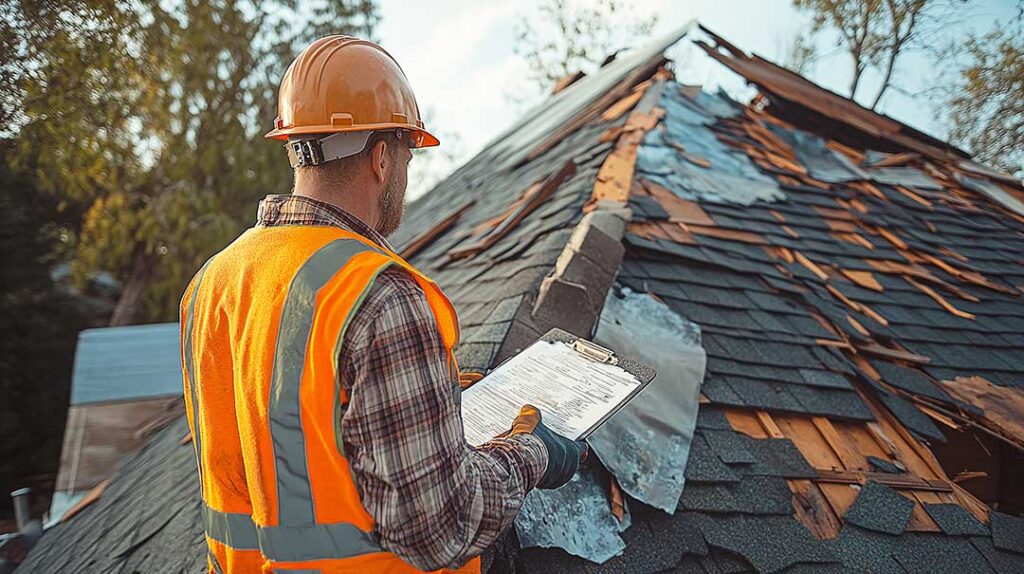
The strongest warning signs are widespread rather than isolated. A few damaged shingles do not necessarily mean the entire roof has failed, but broad deterioration may indicate that the roofing system is nearing the end of its useful life.
Look for:
- Shingles that are curling, buckling, cracked, or missing
- Large areas where the surface granules have worn away
- Dark streaks or patches associated with moisture or organic growth
- Exposed underlayment, fasteners, or roof decking
- Sagging lines along the roof surface or ridge
- Loose flashing around chimneys, vents, skylights, or roof edges
- Granules collecting in gutters or near downspouts
- Daylight visible through the roof deck from the attic
A small amount of granule loss on a relatively new roof can occur naturally. Extensive loss across multiple roof slopes is more concerning because it leaves shingles less able to resist ultraviolet exposure, rain, and temperature changes.
Sagging deserves particular attention. It can indicate weakened decking, trapped moisture, structural movement, or long-term water damage. Walking on or disturbing a visibly sagging roof can be hazardous.
How do leaks affect the replacement decision?
A single leak does not always require a new roof. Leaks may originate from a damaged flashing detail, a vent, a small area of missing shingles, or ice-related water backup near the eaves.
Replacement becomes more likely when leaks are recurring, widespread, or accompanied by interior and attic damage. Signs include:
- Water stains on ceilings or upper walls
- Damp insulation
- Musty odors in the attic
- Mold or wood discoloration
- Peeling paint near the ceiling
- Wet roof decking or rafters
- Repeated leaks in different areas
A leak may not appear directly below the roof defect. Water can travel along rafters, insulation, or framing before entering the living space. For that reason, painting over a ceiling stain without finding the source can allow hidden damage to continue.
In cold-weather areas, ice dams can also cause water to move beneath shingles and into the roof edge. Improving insulation, air sealing, and attic ventilation may reduce future ice-dam problems, but those improvements cannot restore shingles or decking that have already deteriorated.
Is it better to repair or replace the roof?
Repair is generally more reasonable when the problem is limited, the surrounding shingles remain flexible and intact, and the roof still has substantial service life remaining. Replacement becomes more practical when defects are widespread or repairs are becoming frequent.
A repair may be appropriate for:
- A small number of missing or damaged shingles
- Localized flashing failure
- A single puncture or storm-related impact
- Minor damage around a vent or roof penetration
- A limited area of damaged underlayment
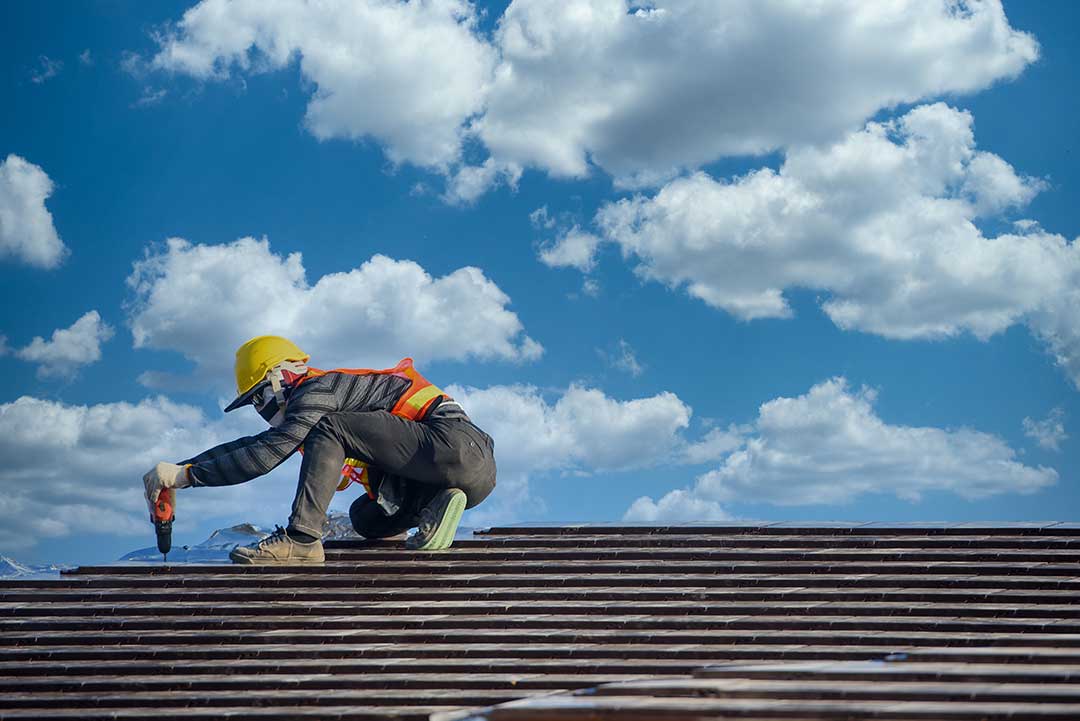
Replacement deserves serious consideration when:
- The roof is near the end of its expected life
- Damage affects several roof slopes
- Shingles are brittle throughout the roof
- Leaks continue after previous repairs
- The decking is deteriorated in multiple areas
- Storm damage is combined with advanced age
- Repair materials no longer match the existing roof well
Adding a new layer over an old roof can sometimes be allowed, but it does not solve problems such as rotten decking, poor ventilation, hidden moisture, or a failing underlayment. A roof that already has several layers may require removal before a new system can be installed safely and correctly. Local building requirements may also affect what work is permitted.
Can a roof look acceptable from the ground and still need replacement?
Yes. Ground-level viewing can miss early deterioration, especially on steep roofs, shaded roof planes, or areas hidden by dormers and roof intersections.
The attic often provides useful evidence. During a dry day, check for damp insulation, water marks, rusted fasteners, darkened wood, or small openings where outside light is visible. These observations do not identify every roofing problem, but they can reveal damage that is not obvious from the yard.
After major wind, snow, or ice events, a roof may also have loose flashing or lifted shingles without obvious changes in its overall appearance. Because roof surfaces can be slippery and unstable, climbing onto the roof is not advisable for an untrained person. Safety is especially important after storms, when hidden structural damage may be present.
What seasonal clues matter in Owego?
Winter conditions can expose weaknesses that remain unnoticed during warmer months. Ice dams, repeated freezing and thawing, snow weight, and wind-driven precipitation can affect shingles, flashing, gutters, and roof edges.
In spring, inspect ceilings and attic areas for stains that appeared after snowmelt. Gutters may contain an unusual amount of granule material or shingle fragments. During summer, heat can worsen cracking and curling on aging shingles, while heavy rain may reveal previously hidden leaks.
Fall is a practical time to review the roof’s condition before snow and ice arrive. Clearing leaves from valleys and gutters, checking attic ventilation, and addressing small defects can reduce avoidable moisture problems. However, maintenance cannot extend a roof indefinitely if the materials have reached the end of their service life.
What should homeowners document before making a decision?
Photographs, repair receipts, inspection notes, and the approximate installation date can make the decision clearer. Document the location of stains, the date a leak was noticed, and whether the problem returned after repairs.
It also helps to distinguish cosmetic concerns from functional damage. Dark staining, for example, may be surface discoloration, while missing shingles, exposed decking, and active leaks affect the roof’s protective function. An independent inspection can help determine whether the concern is limited or widespread.
If water is entering near electrical wiring, ceilings are sagging, or structural wood appears weakened, avoid the affected area and address the hazard promptly. Temporary measures may limit additional water entry, but they should not be treated as a permanent solution.
A roof is usually ready for replacement when age, widespread material deterioration, recurring leaks, and hidden moisture damage begin appearing together. Planning before a major failure can reduce interior damage and allow the work to be evaluated during safer, drier conditions.
