
How Can Homeowners in Owego, NY Identify Early Signs of Roof Problems?
Homeowners in Owego, NY often wonder how to spot problems with their roof before they turn into expensive repairs. The most effective way is to combine regular visual checks — especially after severe weather — with awareness of subtle, early warning signs that a roof may be in trouble. Recognizing concerns before they escalate saves both money and stress in the long run.
What Are the Most Common Early Warning Signs of Roof Damage?
Certain symptoms usually appear before a roof fails completely. Residents should look out for:
- Missing, cracked, or curled shingles: Even a few missing shingles can allow water in, especially after heavy rain or snow typical of local winters.
- Granule loss on asphalt shingles: If gutters are collecting many small, sandy particles (roof granules), this is an early sign that roofing materials are wearing out.
- Dark streaks or stains: These might indicate moss, algae, or moisture is starting to penetrate. Persistent wet spots can lead to rot and leaks if not addressed.
- Peeling or blistering paint near rooflines: This sometimes signals trapped moisture from a failing roof above.
Are Leaks the First Sign of Roof Damage?
While leaks are an obvious signal, they frequently mean damage is already advanced. Subtle signs often appear earlier. Early leaks may not drip regularly and can stay hidden in attic spaces or behind walls, causing escalating problems over time.
Checking the attic during or right after heavy rain can help detect:
- Damp beams or insulation
- Visible daylight through the roof boards
- Musty smells or increased humidity
Spotting these indoor clues early can help prevent larger, visible leaks down the line.
How Does Owego’s Climate Affect Roof Wear?
The local mix of winter snow loads, freeze-thaw cycles, spring storms, and humid summer conditions creates additional risks for roofing materials in Owego. Common climatic factors include:
- Ice dams: These form when melting snow refreezes at eaves, blocking water and pushing it under shingles.
- Wind uplift: Sudden storms with gusty winds can loosen or lift shingles, especially on older roofs.
- Moss and lichen: Shaded areas, often on the north-facing sides of roofs, retain moisture, promoting growth and holding water against the materials.
Area residents should be aware that small cracks or gaps formed by these seasonal stresses are often the earliest stage of bigger issues.
What Should Residents Check After a Storm or Harsh Weather?
After severe weather, a close look can reveal new or worsening signs of damage. Prioritize safety: perform inspections from the ground or attic when possible and avoid walking on the roof.
Key areas to observe:
- Shingles: Are any missing, wrinkled, or torn?
- Gutters and downspouts: Are they clogged with granules or roof material fragments?
- Flashing: Does the metal around chimneys, skylights, or vents look bent, loose, or rusted?
- Tree limbs: Did any debris land on the roof, causing punctures or dislodging shingles?
Promptly addressing minor storm damage can prevent water entry and further deterioration.
Can Hidden Roof Damage Develop Over Time?
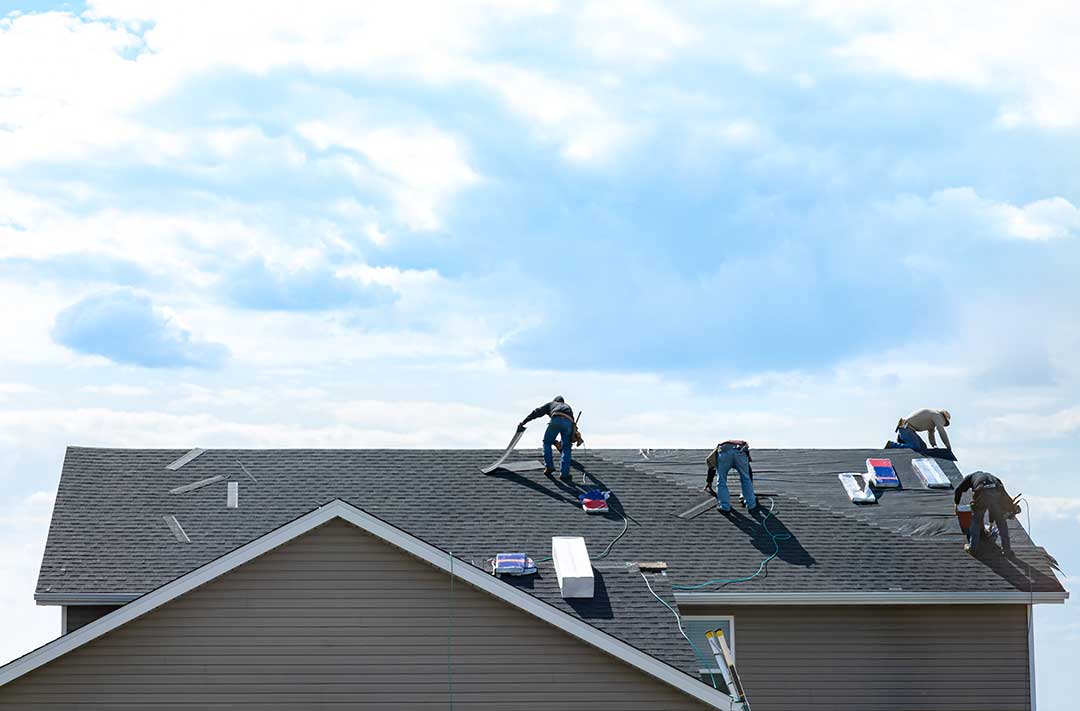
Not all damage is easily visible from the ground. Over time, gaps can form at the junctions of roofing and other materials (such as chimneys, walls, or skylights), or along seams and valleys where water naturally flows. Moisture can slowly seep under shingles, leading to:
- Rotting wood sheathing
- Mold growth in attic spaces
- Small animals or insects entering through openings
Regular inspection of less obvious spots — like the underside of eaves or attic corners — can uncover these hidden problems before they spread.
What Are Some Overlooked Signs That Can Be Mistaken for Something Else?
Some roof issues can mimic other household problems. For example:
- Ceiling water stains: May be mistakenly blamed on plumbing leaks, but could result from roof seepage traveling along rafters.
- Unexplained higher energy bills: Heat escaping through a poorly sealed or damaged roof increases heating bills, especially in Owego’s cold seasons.
- Drafts or cold spots near ceilings and exterior walls: Sometimes a result of insulation problems caused by roof leaks.
Understanding these indirect signals helps residents connect the dots and investigate the true source.
How Often Should Roofs Be Inspected in the Owego Area?
For most area homes, visually checking the roof twice a year is a useful practice: once in the spring after snow melts, and once in late fall before winter sets in. After major storms, a quick inspection adds peace of mind.
Roofs in areas prone to shade or surrounded by large trees may need more regular observation due to increased risk of moss, limbs, and debris buildup.
What Steps Should Be Taken If Early Damage Is Found?
When early signs appear, local residents should:
- Safely document what is visible with photos or notes
- Clear leaves and debris from gutters and downspouts
- Keep attic spaces dry and well-ventilated to limit damage progression
If damage appears significant, is causing water intrusion, or poses a risk (like loose flashing or exposed electrical), stopping further use of affected spaces and consulting a qualified professional is recommended for safety reasons.
