
What Are the Most Frequent Reasons Roofs Leak in Owego, NY?
Leaks most often occur due to a combination of weather patterns, roof age, and installation or maintenance issues commonly found in homes throughout Owego. The mix of four-season weather, heavy winter snow loads, and late spring rainstorms creates stress on local roofing systems, making certain vulnerabilities more likely to cause leaks.
Age-Related Wear and Tear
As roofs in Owego get older, their materials naturally break down from years of sun exposure, freeze-thaw cycles, and precipitation. This aging process causes shingles to crack, curl, or lose granules, exposing the underlayers and making it easier for water to find a way in. Even well-made roofs eventually develop leaks if not maintained or replaced after their useful lifespan, which varies depending on the material.
Storm Damage and Extreme Weather
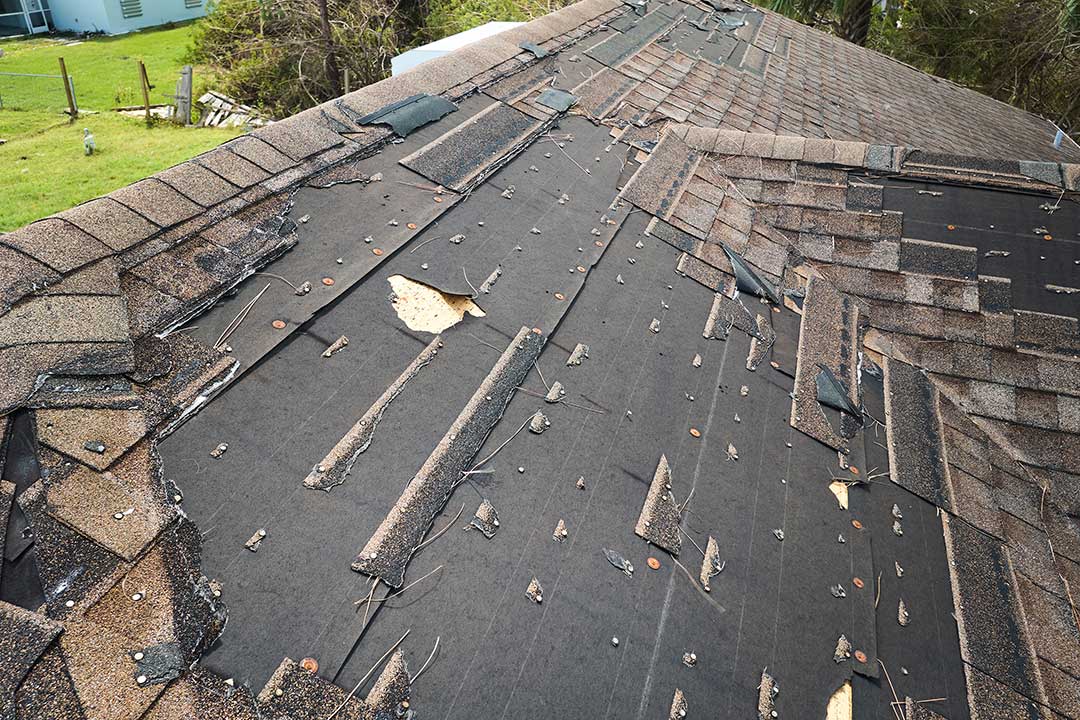
High winds, heavy snow, and ice accumulation are common sources of damage in Owego. Wind can lift or loosen shingles, while ice dams—a block of ice forming at the roof’s edge—can cause water to pool and penetrate under shingles, especially after temperature swings typical in this region. Tree limbs weighed down by snow may also snap, causing further damage if overhead branches are close to homes.
How Do Clogged Gutters and Downspouts Lead to Leaks?
When gutters and downspouts fill with leaves or debris—a common sight in Owego during the fall—the system backs up and water can overflow. This causes moisture to seep under the roof edge or behind the siding, which is often mistaken as a roof leak. During spring thaws or periods of heavy rain, clogged gutters can allow water to soak roof sheathing and eventually the attic, visible indoors as ceiling stains or mold growth.
Can Flashing Problems Really Cause Water Intrusion?
Flashing—thin pieces of metal installed around roof joints, chimneys, skylights, and vent pipes—is designed to direct water away from vulnerable seams. In Owego, fluctuations between freezing and thawing can loosen these metal strips or degrade the sealant that keeps them watertight. If flashing is improperly installed or deteriorates, water may slip beneath, leading to leaks inside the home—often seen near chimneys or where roof sections meet.
Are Leaks at Roof Penetrations Common?
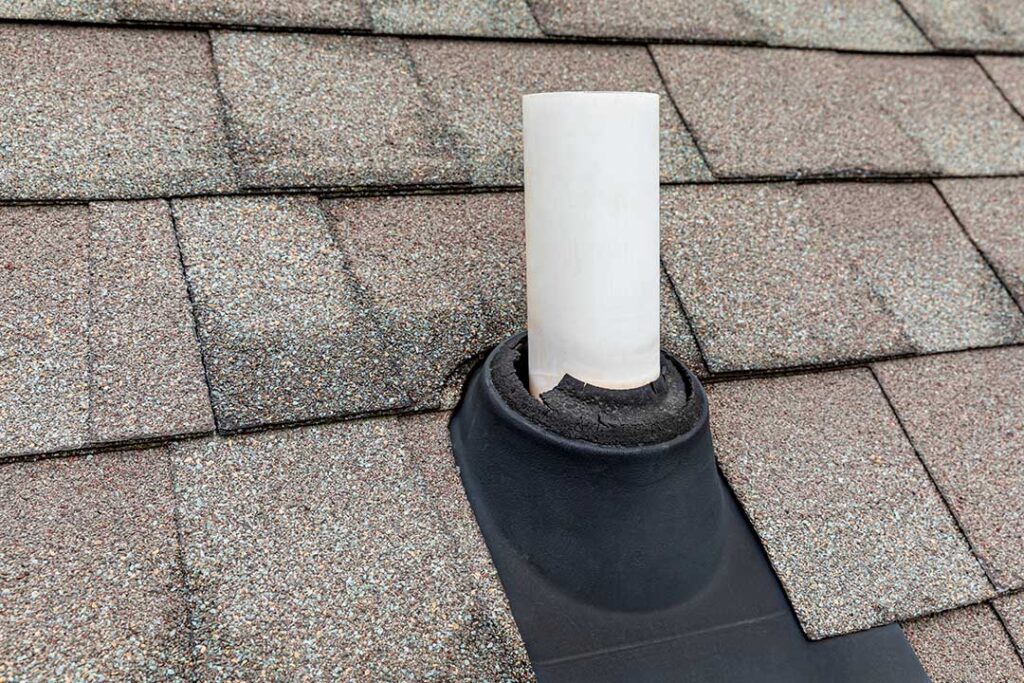
Anywhere something penetrates the roof—a vent, flue, or pipe—is a potential leak source. Plumbers’ boots, vent collars, or rubber gaskets can crack, dry out, or become displaced over time. In Owego’s colder months, expansion and contraction can worsen these problems. Residents may notice drips or ring-shaped water stains directly below penetrations in their attic or on upper-story ceilings.
How Does Poor Attic Ventilation Affect Roof Leaks?
Attics that lack sufficient ventilation allow heat and moisture to build up beneath the roof deck. In Owego’s climate, this lack of airflow leads to ice dam formation as snow melts unevenly, then refreezes at the eave. Warm, moist air trapped in the attic can also cause condensation, which can eventually drip back down into insulation or ceilings, mimicking a leak caused by external water entry.
Proper attic airflow is critical year-round for preventing moisture buildup and ice dams, but it’s often overlooked during home repairs or renovations.
Can Roof Repairs or Installations Increase Leak Risk?
Improper installation of shingles, flashing, or underlayment is a less obvious but significant cause in the area. Shortcuts during a previous repair or a rushed replacement job can leave hidden vulnerabilities, which may only become apparent after a few strong storms or seasons have passed.
Misaligned shingles, exposed nail heads, or skipped steps in sealing roof valleys can all create weak points. Residents sometimes discover leaks after recent work on their roof, chimney, or attic—highlighting the importance of careful, code-compliant building practices.
Are Skylights, Dormers, and Valleys Especially Vulnerable?
Architectural features like skylights, dormers, and roof valleys are prone to leaking simply because they create breaks in the roofing system. In the city, valleys concentrate rainwater and snowmelt, which can work under shingle edges if flashing or sealant fails. Skylights are notorious for leaking around the frame if seals deteriorate, and dormer walls add intersecting seams where water can find its way in. Regular checking of these features for cracked caulking or split flashing helps prevent leaks from going unnoticed.
What Are Some Misconceptions About Roof Leaks?
Many Owego homeowners assume that water spots on ceilings are always located directly beneath the source of the leak. In reality, water often travels along rafters or insulation before emerging inside, meaning the actual entry point on the roof could be several feet away.
Another misconception is that all leaks are caused by severe weather. In truth, gradual wear, minor installation errors, or simple maintenance issues like debris accumulation account for a large portion of leaks in the area.
What Maintenance Habits Help Prevent Roof Leaks in Owego?
Regularly inspecting the roof, especially after major storms or heavy winter snow, helps spot issues before they lead to water damage. Good practices include:
- Cleaning gutters and downspouts at least twice a year, particularly after autumn leaf fall
- Looking for missing, cracked, or curling shingles during the spring and late fall
- Checking attic spaces for damp insulation or early signs of mold, which can signal ventilation issues or minor leaks
- Examining roof penetrations, valleys, and around skylights for deteriorated sealant or flashing issues
- Trimming overhanging tree branches to reduce the risk of storm breakage
Promptly addressing small problems preserves the roof’s integrity despite the Owego climate’s seasonal stresses, reducing the risk of more serious leaks over time.
