
How does a roof affect energy efficiency?
A roof influences how much heat a home gains or loses, but the roof covering itself is only one part of the picture. The attic floor, insulation, ventilation, air leaks, roof color, and condition of the roof assembly all affect indoor comfort and energy use.
In Owego, NY, homes must handle cold winters, repeated freeze-thaw cycles, wind, snow, and warm summer periods. A roof system that manages heat and moisture well can reduce strain on heating and cooling equipment while helping protect the structure.
A roof does not need to be “high-tech” to perform efficiently. Properly installed insulation, controlled airflow, sound flashing, and regular maintenance often matter more than choosing a particular shingle appearance.
Is attic insulation more important than the roofing material?
For most homes, attic insulation and air sealing have a greater effect on energy performance than the type of roof covering. Shingles protect against weather, but insulation slows heat transfer between the living space and the outdoors.
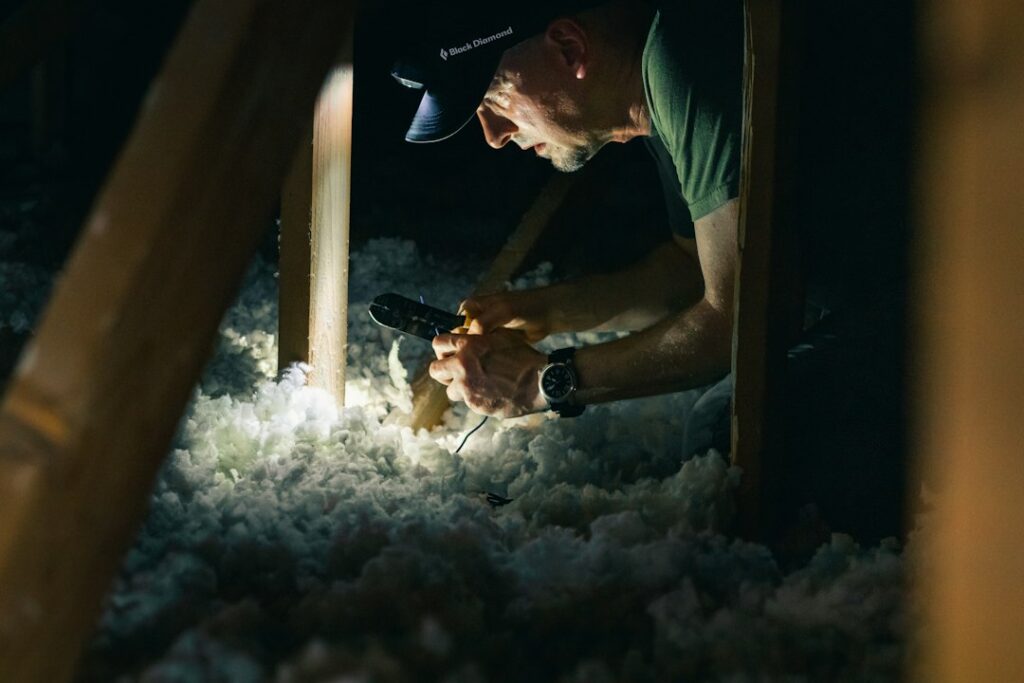
During winter, warm indoor air naturally rises. If the attic floor has thin insulation or gaps around light fixtures, wiring, plumbing, ductwork, or the attic hatch, heat can escape into the attic. That loss may increase heating demand and contribute to uneven room temperatures.
During summer, a poorly insulated attic can become very hot. Heat may move downward through the ceiling, increasing indoor temperatures and making air-conditioning equipment run longer.
Useful improvements may include:
- Adding insulation where existing coverage is thin or uneven
- Sealing openings between the attic and living space before adding insulation
- Weatherstripping or insulating the attic access hatch
- Keeping insulation away from heat-producing fixtures unless those fixtures are approved for insulation contact
- Maintaining clear ventilation paths at the eaves where the roof design requires them
The correct insulation approach depends on the roof assembly, existing moisture conditions, electrical equipment, and whether the attic is vented or unvented.
Why does air sealing matter?
Insulation slows heat movement, but it does not stop moving air. Air leaks can carry heat and moisture through the ceiling assembly, reducing the value of insulation and increasing the risk of condensation.
Common leakage points include:
- Attic hatches and pull-down stairs
- Recessed lights
- Plumbing and electrical penetrations
- Chimney and flue openings
- Duct registers
- Gaps around partition walls
- Open soffits or unsealed framing cavities
Air sealing should be done carefully around chimneys, flues, and other heat-producing equipment. Some materials are not suitable near high temperatures. Large openings may require solid blocking rather than simply applying caulk or foam.
A useful sign of attic air leakage is insulation that appears dirty or displaced in concentrated areas. Dust can collect where air is moving through the insulation.
Can poor roof ventilation increase energy problems?
Yes. Roof ventilation is intended to help manage attic temperature and moisture, but ventilation does not replace insulation or air sealing.
In a typical vented attic, outside air may enter through soffit vents and leave through ridge, gable, or other high vents. For this system to work, insulation must not block the intake paths. Baffles may be needed to preserve airflow along the underside of the roof.
A common mistake is to add insulation without checking whether soffit ventilation remains open. Another is to install a roof vent without providing a balanced intake path. Ventilation changes should be evaluated as part of the entire roof and attic design.
An attic that is damp, musty, unusually hot, or marked by frost during cold weather may have a ventilation, air leakage, or moisture-control problem. Bathroom and kitchen exhaust fans should discharge outdoors rather than into the attic.
How are ice dams connected to energy efficiency?
Ice dams form when snow on a roof melts in some areas and refreezes near colder eaves. Heat escaping from the house into the attic is one possible cause. Uneven insulation, air leaks, warm ductwork, and poor roof-edge airflow can create warm and cold zones across the roof.
Ice dams are not simply a roofing-material problem. They can allow water beneath roof coverings and damage ceilings, insulation, framing, paint, and interior finishes.
Reducing the risk generally involves improving the whole assembly:
- Seal air leaks between the home and attic
- Increase insulation where it is inadequate
- Keep attic ventilation pathways open when the design depends on them
- Insulate or seal ducts located in cold attic areas
- Keep gutters and drainage paths clear
- Address roof leaks and flashing defects before adding insulation

Removing heavy ice or snow from a roof can be hazardous. Roof edges, electrical lines, slippery surfaces, and falling ice create safety risks, so hazardous conditions may require qualified assistance.
Does a darker or lighter roof save significant energy?
Roof color can affect heat absorption, especially in summer, but its effect depends on insulation, attic design, roof slope, shading, and local weather. A lighter roof surface may stay cooler in direct sunlight, while a darker surface may absorb more solar heat.
In a heating-dominated climate, winter heat gain from the roof is usually limited compared with heat loss through air leaks and inadequate insulation. Roof color should therefore not be treated as a substitute for a well-insulated attic.
Reflective roofing may be more useful on buildings with large sun-exposed roof areas and substantial summer cooling demand. For many homes, correcting attic insulation, sealing leaks, and managing moisture will provide more practical benefits.
Should roof condition be checked before adding insulation?
Yes. Roof leaks, wet insulation, damaged sheathing, and deteriorated flashing should be addressed before insulation is added. Insulation can hide active moisture problems and make future inspection more difficult.
Warning signs include:
- Water stains on ceilings or upper walls
- Damp or compressed insulation
- Mold-like odors
- Rusted fasteners or metal components
- Peeling paint near the ceiling
- Daylight visible through roof or attic joints
- Frost on the underside of roof sheathing in winter
Wet insulation generally performs poorly and may contribute to decay or indoor air-quality concerns. A roof assembly should be dry before it is enclosed or heavily insulated.
What can residents inspect safely?
A ground-level inspection can reveal many useful clues without climbing onto the roof. Look for missing or damaged shingles, sagging rooflines, overflowing gutters, exposed flashing, and large areas of moss or debris.
From inside the home, notice rooms that are consistently colder or warmer than others. Check whether the attic hatch feels drafty and whether insulation appears level and continuous. If an attic can be entered safely, avoid stepping between framing members and stay clear of exposed wiring, unstable surfaces, and sharp fasteners.
More complex work involving roof access, electrical fixtures, chimneys, structural damage, or suspected moisture problems may require someone with the appropriate training and safety equipment.
How should roof efficiency improvements be prioritized?
A practical sequence is to begin with moisture and safety, then address air movement and insulation.
1. Correct active roof leaks and drainage problems.
2. Identify major air leaks between the living space and attic.
3. Improve insulation where coverage is inadequate.
4. Confirm that required ventilation pathways remain open.
5. Check ducts, exhaust fans, chimneys, and recessed fixtures.
6. Consider roof-surface changes only after the basic assembly is performing properly.
This order helps avoid spending money on surface features while larger sources of heat loss or moisture damage remain unresolved. For many area households, the most meaningful energy improvement is not a new roof covering but a dry, well-sealed, properly insulated roof and attic system.
