
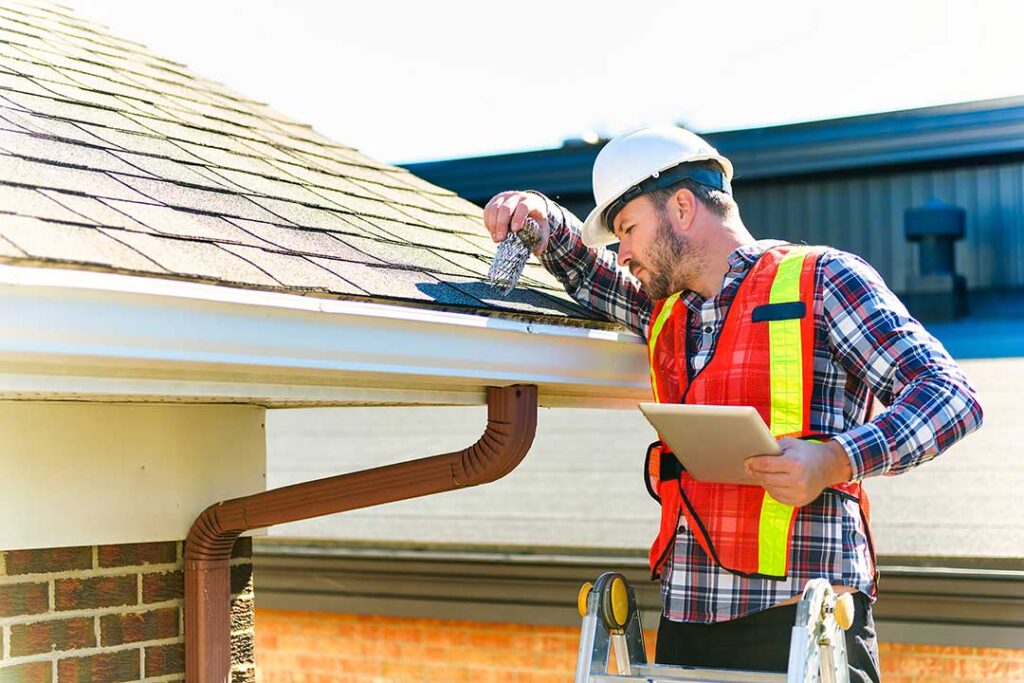
How Does My Roof Impact My Homeowner’s Insurance Coverage?
Insurance companies consider the age, condition, and type of your roof when calculating premiums and determining coverage limits. For homes in Owego, NY, the roof’s ability to withstand local weather events—such as heavy snowfall, hail, frequent rain, and seasonal temperature changes—is especially evaluated. If your roof is nearing the end of its lifespan, has visible damage, or is made from materials considered high risk, you may see higher premiums or reduced coverage for roof-related damages.
A well-maintained, newer roof constructed from durable materials may qualify for lower premiums. Insurers often take into account the roofing material (asphalt shingles, metal, slate, etc.), installation quality, and whether the roof meets local building codes.
What Types of Roof Damage Are Covered by Insurance in Owego, NY?
Most standard homeowner's insurance policies cover sudden, accidental damage, not gradual deterioration. Typically covered events include:
- Damage from wind, hail, or falling tree branches during storms
- Fire or lightning strikes
- Damage following a covered peril, like a heavy snow-induced roof collapse
However, insurance rarely covers damage from:
- Routine wear and tear or neglect
- Mold, algae, or pest infestations due to maintenance gaps
- Improper installation or construction flaws
A common misconception is that every leak or missing shingle is automatically a covered loss. Insurers usually deny claims for leaks that develop over time without a single, sudden cause.
What Should Homeowners Know About Filing a Claim for Roof Damage?
Begin by reviewing your policy and documenting the damage right after a weather event or catastrophe. In Owego, photographs and notes taken soon after storms or high-wind episodes make the claims process smoother and help adjusters understand the situation.
It's important to:
- Photograph the roof from several angles
- Document interior damage resulting from roof leaks (such as stained ceilings)
- Save any receipts for emergency repairs or temporary protection (tarping or patching)
- Notify your insurer promptly and follow their specific claim reporting process
Insurance may cover the cost to repair or replace the damaged portion of your roof, but policies often include a depreciation calculation for older roofs, so you may receive less than the full replacement amount if your roof is aged or worn.
Are Certain Roof Materials More Favorable for Insurance?
Insurance providers generally prefer durable, fire-resistant materials that perform well in the region’s climate. In Owego, popular choices like architectural asphalt shingles are usually viewed favorably due to their resilience to snow load and wind.
Metal roofing, while more expensive to install, is often rated highly for its longevity and hail resistance, and it may qualify for premium discounts. Older materials, wood shakes, and certain flat roofing systems are often considered higher risk and may increase your policy costs.
How Does Roof Age Affect Insurance in the Community?
The age of a roof is a major factor. Many insurers in the area set restrictions on coverage for roofs older than 20 years, either by limiting claim payouts or requiring more frequent inspections and proof of regular maintenance.
For houses with newer roofs, coverage is usually broader, and claim settlements more generous (often paying “replacement cost” rather than “actual cash value,” which deducts for age and wear).
What Maintenance Responsibilities Do Insurance Policies Expect?
Routine upkeep is required to maintain coverage. Insurers expect homeowners to:
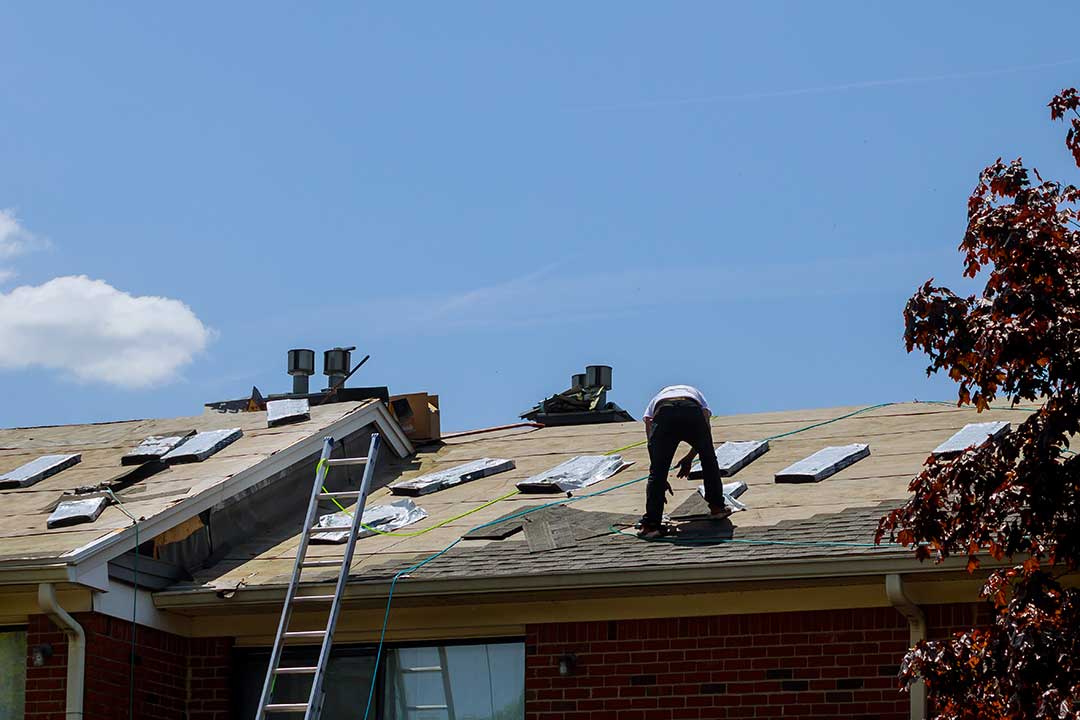
- Remove debris after storms and autumn leaf fall
- Check and clear gutters in spring and fall to prevent ice dams
- Replace broken or missing shingles promptly
- Trim tree limbs that overhang the roof
Neglecting these tasks can result in denied claims, especially if the damage is found to be preventable or related to lack of maintenance. In the city, shared community patterns—like heavy tree cover and older housing stock—can make this an ongoing responsibility.
What Local Climate Issues Should Residents Consider?
Owego’s climate brings challenges like heavy wet snow in winter, ice dams during freeze-thaw cycles, and hail damage during early summer storms. Insurance claims increase sharply after severe weather, and it can help to familiarize yourself with your policy’s definitions of “covered peril” related to local conditions.
Homeowners sometimes overlook the damage that recurring ice dams can cause, believing they are cosmetic rather than structural problems. Insurers may contest claims if regular ice dam prevention (such as ensuring attic ventilation and insulation) wasn’t performed.
What Documentation Will Help Support a Future Claim?
Keeping records strengthens your position if you must file a claim. Consider maintaining:
- Annual photos of your roof, especially after maintenance or upgrades
- Maintenance and repair receipts
- Inspection reports (even personal notes on roof condition)
- Evidence of storms or weather events affecting your property
This documentation is especially useful in proving the cause and timing of damage in Owego’s variable weather environment.
Common Misconceptions Area Homeowners Have About Roof and Insurance
Many residents believe that insurance is a maintenance backup or that all roof issues “should be covered.” In reality, homeowner’s insurance is intended for sudden, accidental events—not ongoing repairs or problems from years of wear. Policy limits, deductibles, and exclusions are key details often overlooked.
Another misconception is that replacing a roof always lowers insurance costs. The material and installation matter as much as the age, and insurers’ criteria may not always reflect homeowner expectations.
